


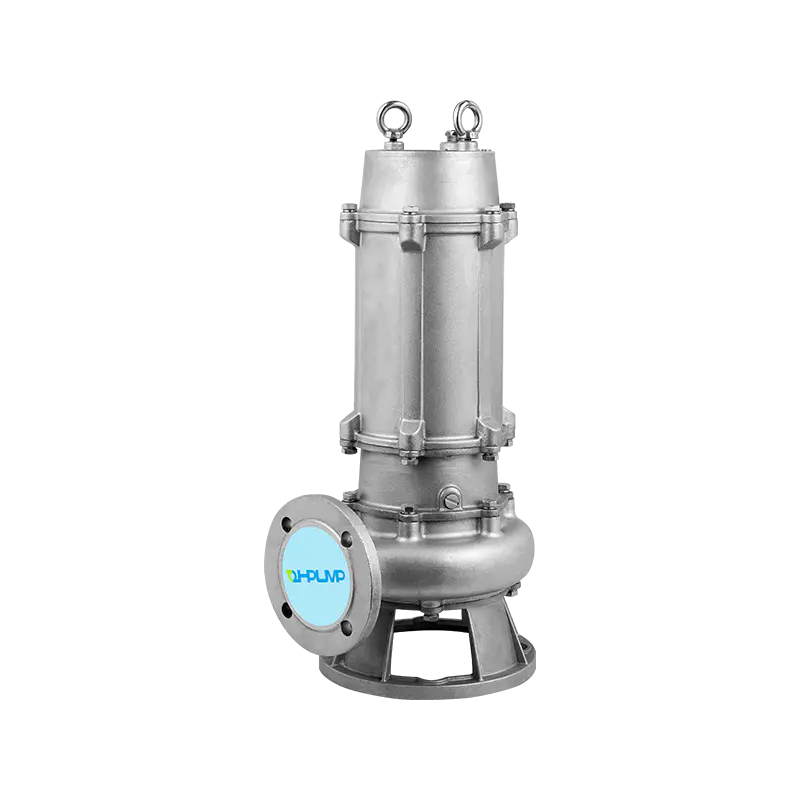

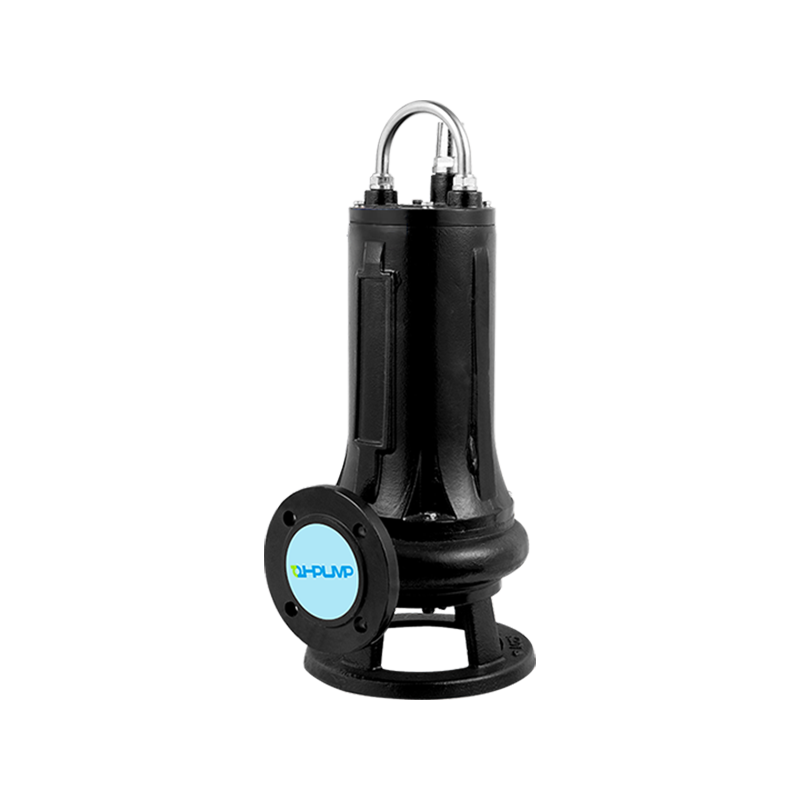
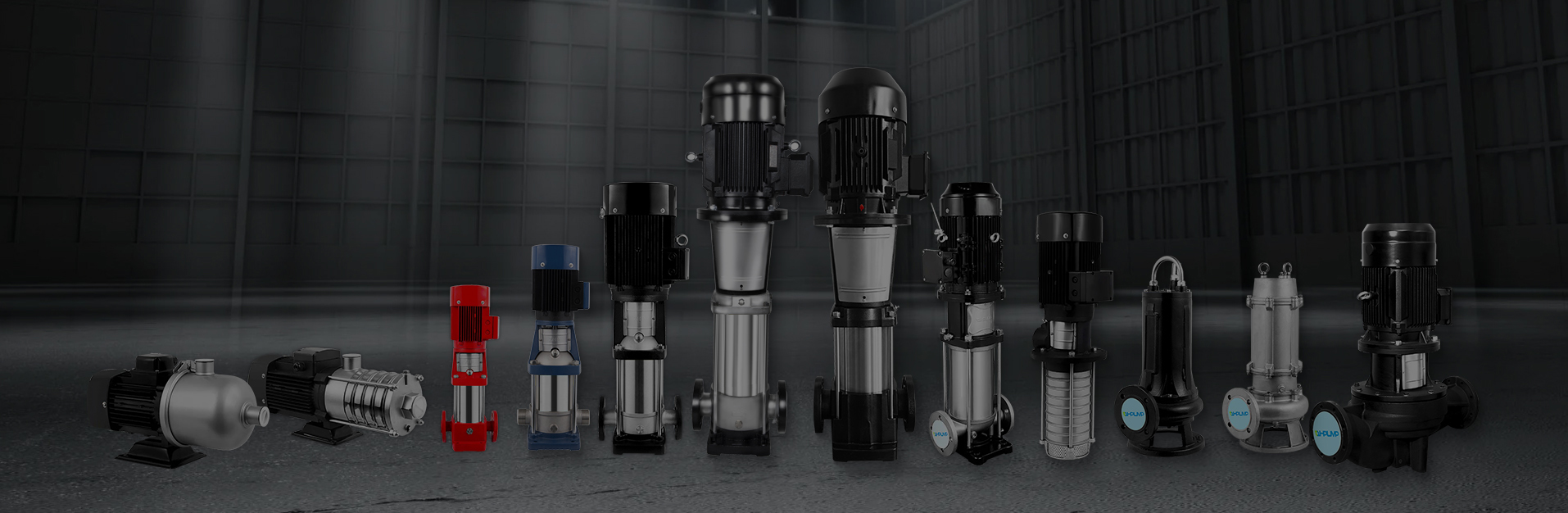
Zhejiang Zehao Pump Industry Co., Ltd. 는 과학연구, 제조, 판매를 일체화한 스테인레스 스틸제 다단 원심 펌프의 전문 메이커입니다. 설립 이래 '성실과 혁신'을 발전 목표로 삼아 전문적이고 신속한 서비스를 고객에게 제공하는 것을 사명으로 삼고 있습니다. 주요 제품은 ZHLF/ZHL 시리즈 입형 다단 원심 펌프, TD 파이프라인 순환 펌프, 수평 다단 원심 펌프, 침지 다단 원심 펌프, 오수 펌프 등 다양합니다. 성능 지표와 기술 파라미터는 국내 최첨단 수준에 이르고 있으며, 공업용·가정용 급수, 난방, 여과·수송 시스템, 소방 시스템, 각종 관개 시스템, 공작 기계 냉각 시스템, 오수·폐수 처리 등, 폭넓은 분야에서 사용되고 있습니다. 당사는 선진적인 생산·시험 설비와 강력한 기술력을 갖추고, 원재료의 선별, 공정 관리, 제품 판매에 이르기까지 모든 면에서 엄격한 관리 시스템을 구축하고, 고품질의 제품과 충실한 서비스로 고객의 요구에 부응하고 있습니다.



제품 카테고리
수중 오수 펌프 제조 업체
배수 펌프라고도하는 하수 펌프는 고체 입자, 섬유질 재료, 하수 또는 슬러리를 포함하는 복잡한 매체를 처리하고 운반하도록 특별히 설계되었습니다. 효과적으로 다양한 유형의 폐수, 하수 및 슬러지를 들어 올리거나 운반하며 배출합니다. 하수 펌프는 강력한 구조, 내마모성 및 강한 하수 처리 기능으로 유명하여 가혹한 작업 환경에서도 고효율 및 안정적인 작동을 유지하여 다양한 하수 분비물 및 처리 문제를 효과적으로 해결할 수 있습니다.
하수 펌프는 일반적으로 특수 재료 및 밀봉 구조를 사용하여 부식 저항을 보장하고 누출을 방지하여 부식성, 점성 또는 고형 입자가 함유 된 폐수를 운반 할 때 우수한 내구성과 신뢰성을 보장합니다. 특정 작동 조건 및 미디어 요구 사항을 충족하기 위해 다양한 유형의 하수 펌프를 사용할 수 있습니다. 예를 들어, 수중 하수 펌프는 수중 작업에 적합하지만 자체 프라이밍 하수 펌프는 자체 프라이밍 기능을 특징으로하여 수동 물 섭취없이 작동 할 수 있습니다. .
회사 소개
8+년
경험

私たちについて
Zhejiang Zehao Pump Industry Co., Ltd.
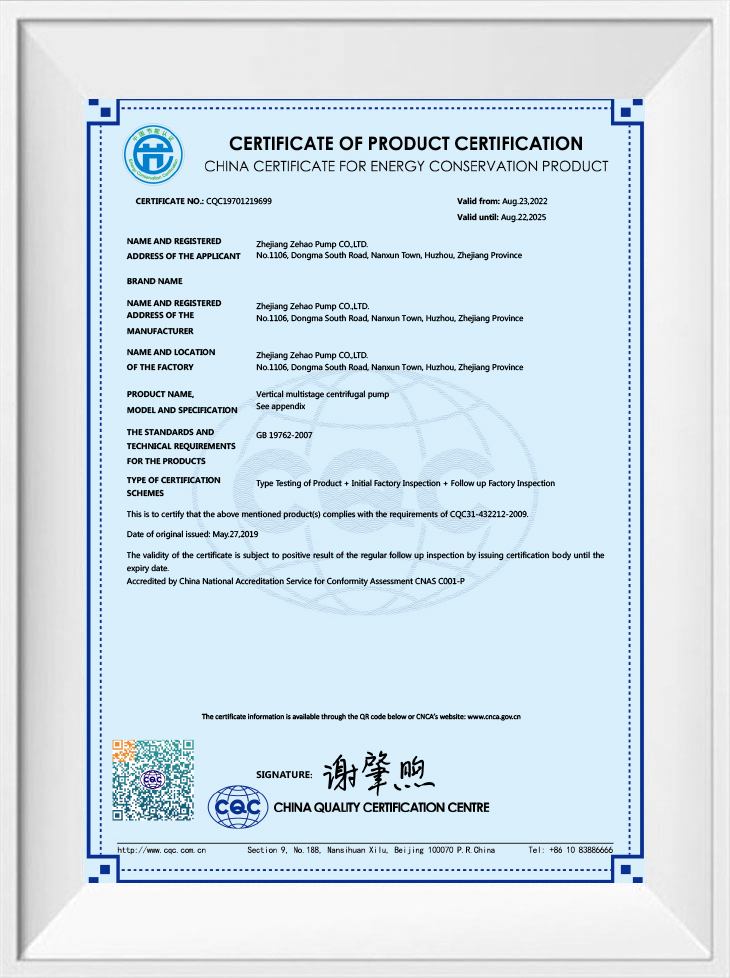
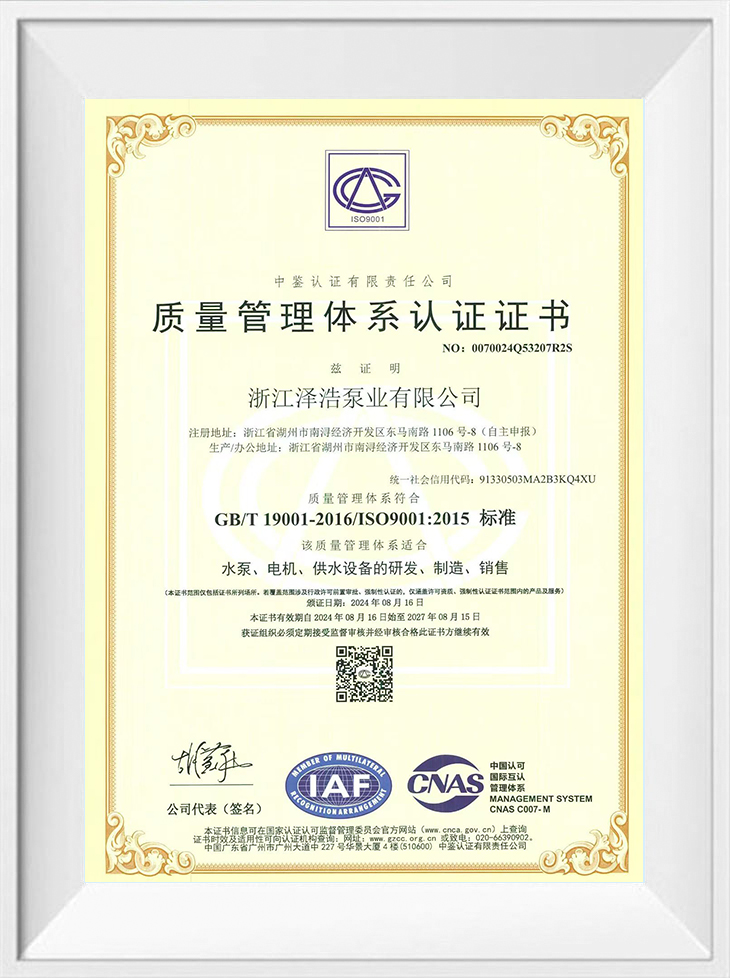
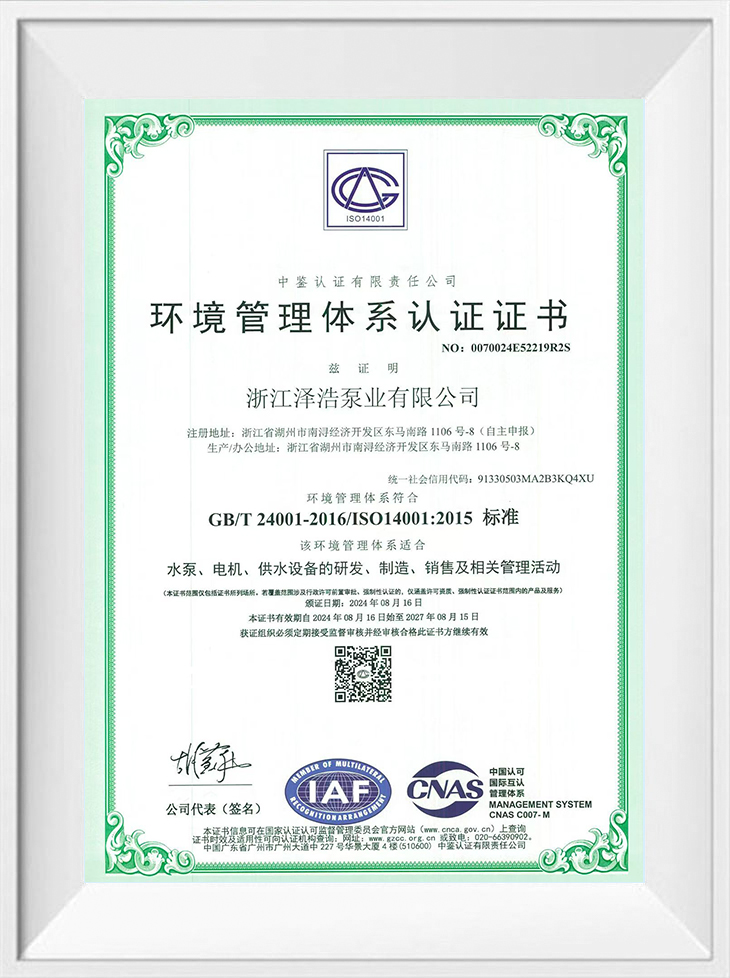
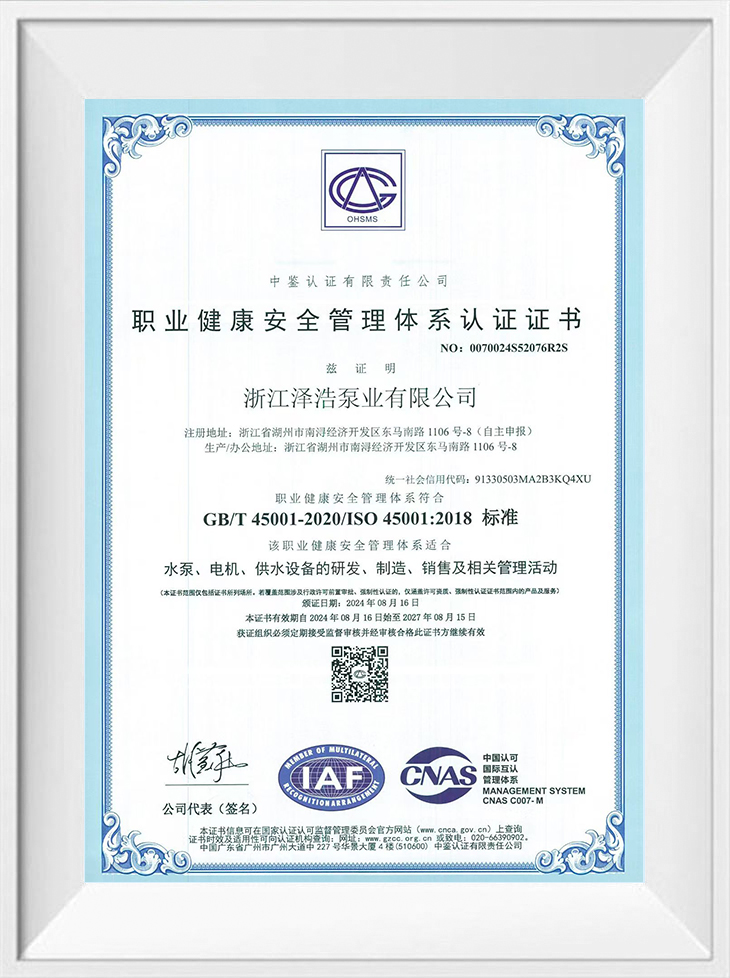
인증서
환경 인증
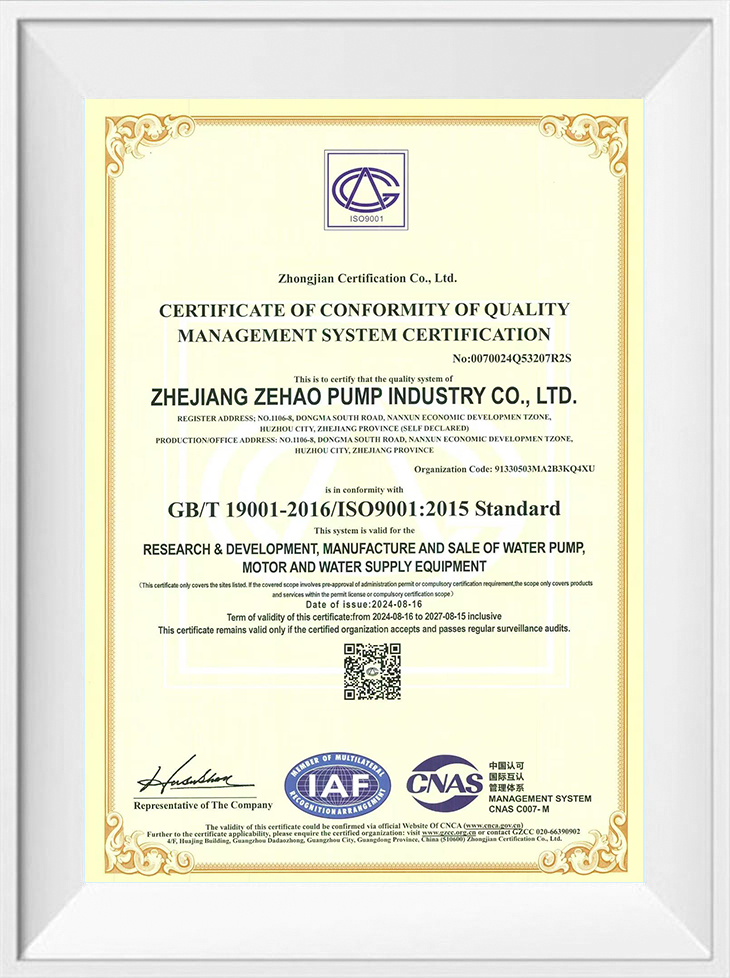
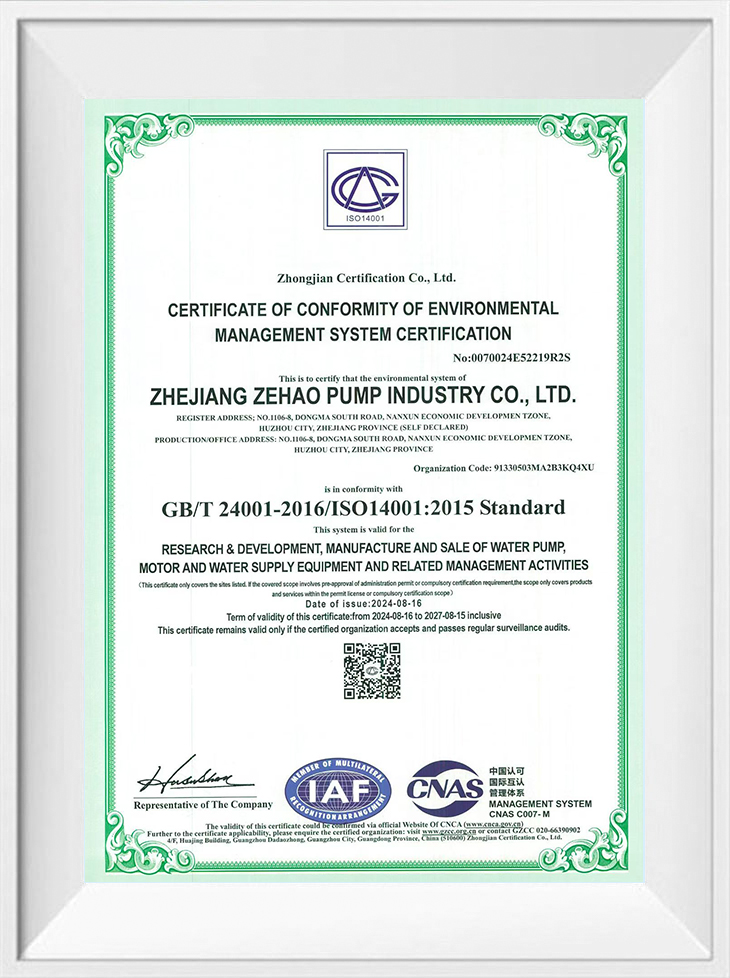
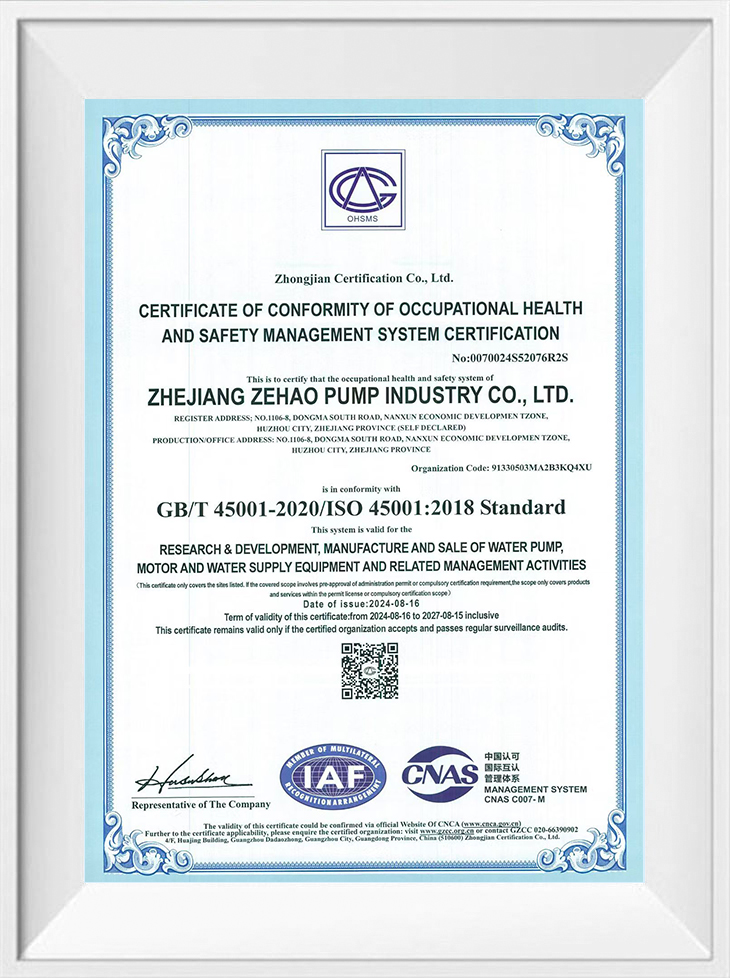
뉴스 센터
뉴스 업데이트
-
관리자 2026-07-13
블록형 펌프: 고대 응용 베어링을 소형 다단계 설계
A 클래식 수직 펌프 수평 원심 펌프가 해결할 수 없는 공간 제약 문제를 해결합니다. 0.3제곱미터 . 수직 방향은 공통 샤프트를 따라 여러 임펠러 스테이지를 쌓아서 비슷한 크기의 단일 스테이지 펌프가 결코 달성할 수 없는 헤드 압력을 생성합니다. 기존 건물 내부의 부스터... 계속 읽기
계속 읽기
-
관리자 2026-07-07
TD 인라인 순환 펌프: 설계, 성능 및 설치
는 TD 인라인 순환 펌프 흡입 및 토출 포트가 공통 축에 정렬되어 배관에 직접 통합되도록 특별히 설계된 단단, 밀착 결합형 원심 펌프입니다. 이 인라인 구성은 구조적 특징을 정의합니다. 펌프는 베이스플레이트, 유연한 커플링 또는 베이스 장착형 펌프에 필요한 복잡한 정렬 절차 없이 파이프라인...계속 읽기
-
관리자 2026-07-01
액체 수송용 경량 수직 다단 원심 펌프
현대 유체 처리의 효율성과 소형화 영역에서는 산업용 액체 운송 , 공간이나 에너지 효율성을 타협하지 않는 고압 솔루션에 대한 요구로 인해 가벼운 수직 다단 원심 펌프 . 이 펌프는 수직으로 쌓인 일련의 임펠러를 통해 높은 헤...계속 읽기
-
관리자 2026-06-22
Deep Well Pump: How It Works, Types & Selection Guide
What Makes a Deep Well Pump Different At depths below 30 meters, the physics of water extraction change fundamentally. A conventional shallow-well pump operates on suction — it pu...계속 읽기
업계 지식
Understanding the Key Differences and Advantages of Submersible Sewage Pumps and Self-Priming Sewage Pumps for Efficient Wastewater Management
Choosing the right sewage pump is crucial for ensuring efficient wastewater handling, especially when faced with complex media containing solids, fibers, and sludge. Among the most popular options in the industry are submersible sewage pumps and self-priming sewage pumps, each designed with unique engineering principles tailored to specific operational needs. A submersible drainage pump operates fully submerged in the fluid it is pumping, which helps prevent issues like cavitation and allows for quieter, more compact installations. Its design eliminates the need for priming since the pump is already under fluid pressure, making it ideal for deep wells, sumps, and underwater applications. On the other hand, self-priming sewage pumps are engineered to evacuate air from the pump casing and suction line, enabling them to start pumping without manual water intake, which is especially advantageous when the pump is installed above ground or in locations where water presence cannot be guaranteed.
From a mechanical standpoint, submersible pumps integrate a sealed motor and pump unit that must withstand corrosive and abrasive elements common in wastewater, demanding robust construction and advanced sealing technology. These pumps are often made with corrosion-resistant materials and feature reliable sealing systems that reduce maintenance frequency, a significant benefit for continuous or hard-to-access installations. Meanwhile, self-priming sewage pumps tend to have easier access for routine maintenance since the motor and pump are separate and above the fluid level. However, these pumps typically require initial priming during installation or after extended downtime, which might add some operational complexity. Understanding these functional differences is essential for customers aiming to select the best pump solution for their specific site conditions and flow requirements.
In practical applications, the choice between submersible and self-priming pumps often depends on installation environment and operational priorities. Submersible sewage pumps excel in applications demanding space-saving solutions and minimal noise, such as municipal sewage stations or industrial wastewater treatment plants. They provide superior protection against overheating because the fluid cools the motor directly. Conversely, self-priming pumps shine in scenarios where the pump must handle intermittent flows or be easily removable for service, such as temporary pumping setups or mobile sewage treatment units. Both types can handle media laden with solids and fibrous material, but the submersible model’s sealed design offers enhanced durability in harsher, submerged environments.
For manufacturers and suppliers like us, offering both submersible drainage pumps and self-priming variants ensures we can meet diverse customer demands while providing reliable, high-quality equipment tailored to various wastewater challenges. Our industry experience confirms that helping customers understand these differences is key to delivering the right product that maximizes uptime, reduces maintenance costs, and supports efficient wastewater management. Whether the priority is submerged continuous operation or flexible above-ground pumping, investing in a pump designed for the specific working conditions pays dividends in operational reliability and longevity.
Both submersible and self-priming sewage pumps bring distinct advantages to wastewater handling, and the choice should be guided by the site conditions, maintenance preferences, and fluid characteristics. As a trusted manufacturer, we emphasize delivering tailored pump solutions built on solid engineering and quality materials, ensuring our clients achieve optimal performance and durability. By choosing the right sewage pump technology, businesses can effectively overcome their wastewater challenges with confidence and efficiency.

 영어
영어
-
 공장 지역 5-6, No. 1118 Xin'an Road, Nanxun Town, Huzhou City, Zhejiang Province
-
 +86-4008117388
-
 [email protected]
Copyright© Zhejiang Zehao Pump Industry Co., Ltd. 무단 전재를 금지합니다.

